
You’ve done the research. You know you want breast augmentation, and you’ve already thought about size, shape, and incision location. But there’s one decision that carries more surgical weight than most patients expect: where the implant actually sits in your body.
Breast implant placement, specifically, placing the implant over or under the pectoral muscle, affects how your results look, how you recover, and how your implants age over time. It influences the risk of rippling and capsular contracture, as well as how your chest looks during exercise. It even plays a role in how your mammograms are read.
As one of the largest breast surgery practices in the Baltimore area and a member of Mentor‘s Preferred Physicians Program, we see patients every week who arrive at their consultation assuming this decision has already been made. In most cases, the question of over-the-muscle vs. under-the-muscle implants hasn’t been decided, and that’s exactly the right position to be in. Here’s what you need to know before you sit down with Dr. Adam Basner.
Table of Contents
The Two Primary Placement Options
There are two foundational approaches to breast implant placement, along with a third hybrid technique called dual plane that sits between them. Each has a distinct anatomical rationale, and neither is universally superior. The right choice depends on your tissue, your goals, and your lifestyle.
Subglandular Placement (Over the Muscle)
With subglandular breast implants, the implant is positioned directly behind the breast tissue and in front of the pectoralis major muscle. The muscle itself is left completely undisturbed.
Because there’s no muscle involvement, the operation is technically simpler from a dissection standpoint, and recovery is notably faster. Patients typically experience less post-operative discomfort with breast implants over the muscle and return to normal activity sooner than those who choose the submuscular approach.
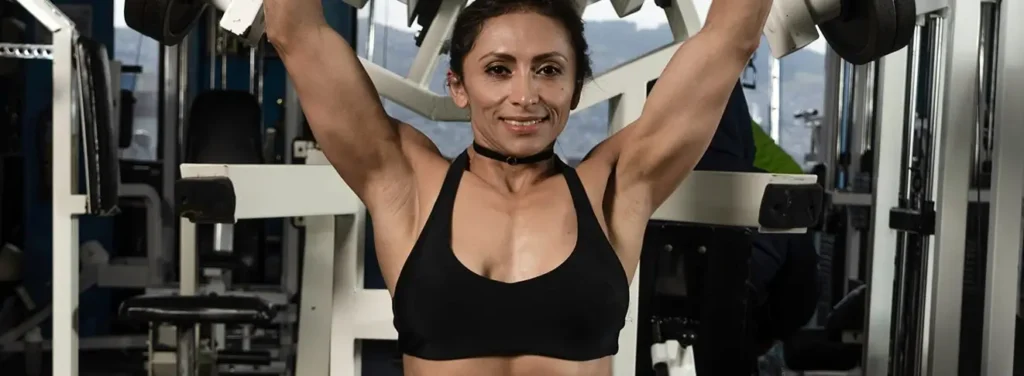
Subglandular placement also means there’s no muscle animation distortion. The implant won’t shift or change shape when you flex your chest, which is especially important for women who are serious about upper-body training.
Who tends to be a good candidate for over-the-muscle placement:
- Women with adequate natural breast tissue to conceal the implant edges
- Athletes or bodybuilders who prioritize an undistorted appearance during exercise
- Women who want a shorter recovery
- Those seeking a fuller, rounder appearance
- Women with a mild degree of breast sagging who may benefit from the additional anterior projection
The trade-offs to consider: In women with thin tissue or minimal natural breast coverage, subglandular implants carry a higher risk of visible rippling, particularly along the inner or lower breast. Palpability is also more likely with saline implants placed in this position. Some studies also suggest a modestly higher rate of capsular contracture with subglandular placement compared with submuscular placement, though the data vary by implant type and surgical technique. If capsular contracture becomes a concern down the road, breast implant revision may be an option to address it.
Submuscular Placement (Under the Muscle)
With submuscular breast implants, the implant is positioned beneath the pectoralis major muscle, which provides an additional layer of soft tissue coverage over the upper portion of the implant. The lower portion of the implant typically remains uncovered by muscle and sits behind breast tissue alone, a distinction that becomes important when we discuss dual plane placement below.
The additional muscle coverage is the main advantage here. For women with minimal native breast tissue, the muscle acts as a natural buffer that conceals implant edges, reduces rippling, and creates a smoother, more natural-looking result.
Who tends to be a good candidate for under-the-muscle placement:
- Women with thin tissue or minimal natural breast volume
- Women with a petite frame or narrow chest who need additional coverage
- Those with a higher personal or family risk profile for capsular contracture
- Women who want the most natural-looking result possible, particularly through the upper breast
- Patients who plan to breastfeed in the future and want the least disruption to breast tissue
The trade-offs to consider: Recovery takes longer. Patients typically experience greater discomfort in the first week, and the chest may feel tight as the muscles adjust. If you do heavy weight training, particularly pressing movements like bench press, you may notice some animation of the implant when you flex. This animation effect is the most commonly cited concern among athletic women considering submuscular placement, and it’s worth an honest conversation during your consultation.
Dual Plane Breast Augmentation: The Hybrid Approach
Dual plane breast augmentation is a refinement of the submuscular technique that’s discussed frequently among surgeons but rarely explained on practice websites. Understanding it is essential because it’s often the most appropriate approach for patients who fall somewhere between the two classic options.
In a dual plane procedure, the implant is placed partially beneath the pectoralis major muscle in the upper portion of the pocket, while the lower portion of the implant rests directly behind the breast tissue. The key difference from standard submuscular placement is that the lower attachment of the pectoralis muscle to the breast tissue is surgically released. This release allows the muscle to retract upward, creating a more natural breast contour without sacrificing the coverage that the muscle provides.
What Patients Can Expect
The practical result: patients get the reduced rippling and lower contracture risk associated with submuscular placement, but with a more natural lower-breast shape that avoids the “stuck-to-the-chest” look that can occur when the muscle relationship remains too tight. For women with a small degree of breast drooping, dual plane placement can also help the implant interact more favorably with existing breast tissue, potentially reducing the need for a concurrent lift.
Who Benefits Most
Dual plane is particularly common in women who have some loose breast skin or mild tissue descent, a situation frequently seen among patients whose breast volume has changed after pregnancy, weight loss, or breastfeeding. For women exploring a broader post-pregnancy body restoration, mommy makeover procedures may combine augmentation with other contouring steps, and the choice of placement plays a role in that planning, too.
How Placement Interacts With Implant Type
Placement and implant type are not independent decisions. They interact in ways that affect the look and the long-term durability of your results.
Cohesive Gel (Gummy Bear) Implants
Dr. Basner uses the newest generation of silicone implants, cohesive gel implants, widely known as gummy bear implants, because of their superior ability to maintain shape and minimize the risk of gel migration in the event of a rupture. These implants work well in subglandular and submuscular placement. However, in women with thin tissue coverage, the submuscular position significantly reduces the already-low risk of visible edge definition and rippling that can occasionally appear even with cohesive gel devices. To learn more about how implant selection fits into the overall augmentation planning process, our complete guide to breast augmentation procedures covers the decision-making process in depth.
Saline Implants
Saline implants are filled during surgery, which allows for fine-tuned volume adjustments. They’re also FDA-approved for patients 18 and older, whereas silicone implants require a patient to be at least 22. The trade-off is that saline implants are more prone to visible rippling, particularly in the lower and inner breast. For that reason, saline implants placed subglandularly in thin patients carry a meaningfully higher risk of visible edge definition. Submuscular or dual plane placement helps mitigate this significantly by adding the muscle layer as a buffer.
Long-Term Considerations by Placement
Placement isn’t just a day-one decision. It shapes how your results hold up over years and even decades. Two of the most clinically significant long-term factors tied directly to placement are capsular contracture and implant rippling, and understanding how each placement option influences your risk profile is a meaningful part of making the right choice.
Capsular Contracture Risk
Capsular contracture occurs when the scar tissue that naturally forms around any implant begins to tighten and harden, compressing the implant and distorting the shape of the breast. It’s one of the most common reasons patients pursue breast implant revision surgery.
Submuscular and dual plane placements are associated with lower rates of capsular contracture than subglandular placement. The prevailing explanation is that the constant gentle motion of the pectoral muscle may prevent scar tissue from organizing tightly around the implant. Subglandular implants, which sit in a static pocket without muscle movement, appear to have modestly higher contracture rates, though implant surface texture, surgical technique, and implant type also influence individual risk. Dr. Basner also uses Strattice, a tissue matrix device, in select cases where tissue support is a concern or capsular contracture has already occurred.
Implant Rippling
Rippling refers to visible or palpable waves or folds along the implant surface, typically appearing along the inner or lower breast. It’s more common with saline implants and more visible in women with thin natural tissue coverage.
Submuscular placement meaningfully reduces the risk of rippling because the muscle provides an additional soft-tissue layer over the upper half of the implant. Subglandular placement leaves only natural breast tissue between the implant and the skin, which increases the risk of rippling in thinner patients. Cohesive gel technology has reduced this concern compared to older silicone formulations, but tissue coverage remains a key variable.
How Dr. Basner Determines the Right Placement for You
No online guide can replace an in-person evaluation, and breast implant placement is one of the decisions where surgical judgment is essential. Here’s what Dr. Basner assesses during a consultation to arrive at a recommendation.
The Pinch Test
One of the most reliable tools for evaluating tissue coverage is a simple physical measurement: Dr. Basner pinches the tissue in the upper breast to assess thickness. If the pinch measures less than approximately 2 centimeters, there’s often insufficient soft tissue to conceal a subglandular implant. In those cases, submuscular or dual plane placement provides the necessary additional coverage. Women with a pinch measurement above that threshold have more flexibility in terms of placement options.
Body Frame and Chest Anatomy
Narrower chest walls and smaller frames tend to benefit from submuscular placement because the implant has less native tissue supporting it from below and to the sides. Women with a wider chest or more generous natural breast volume may be excellent candidates for subglandular placement without the same concerns about edge visibility.
Athletic Build and Lifestyle
If you train your chest regularly, whether through powerlifting, CrossFit, gymnastics, or any sport that demands upper-body strength, the animation concern with submuscular placement deserves a real discussion. Some athletes find the distortion acceptable and minor; others find it disqualifying. Your training volume and the visual importance of having an undistorted appearance during exercise are factors Dr. Basner will ask about directly.
Future Pregnancy Plans
Pregnancy and breastfeeding don’t generally contraindicate breast augmentation, and placement doesn’t affect your ability to nurse. However, the physical changes that accompany pregnancy, particularly volume fluctuations and skin stretching, can affect how your implants look afterward. Women who anticipate future pregnancies may find that planning the augmentation with those changes in mind, or timing the procedure after completing their family, produces more durable long-term results. A mommy makeover can address post-pregnancy changes to the breast and body together if circumstances change after an initial augmentation.
Implant Size Goals
Larger implants in patients with thin tissue coverage are among the highest-risk combinations for rippling and long-term tissue stretch. When a patient’s aesthetic goal involves a significant volume increase but their tissue coverage is limited, the conversation about placement, implant type, and sizing becomes more nuanced. Our guide to breast implant size selection covers how these trade-offs are weighed in the planning process. Dr. Basner uses your height, weight, and chest measurements to match sizing to your anatomy.
Our breast augmentation before-and-after gallery includes results from various placements and anatomies. Reviewing it before your consultation can help you articulate what you’re looking for and give Dr. Basner useful reference points for the discussion.

Schedule Your Consultation With Dr. Basner
Choosing between over- and under-the-muscle placement isn’t a decision you need to make before walking through our door. It’s one you’ll make together with Dr. Basner, using your anatomy, goals, and lifestyle as your guide. As one of the few Mentor Preferred Physicians in the Baltimore area and one of only 20 plastic surgeons named among America’s best by Newsweek Magazine, Dr. Basner brings the surgical experience and one-on-one attention this decision deserves. Call 410-616-3000 or schedule a consultation online to get started.
Frequently Asked Questions About Subglandular vs. Submuscular Breast Implants
Can I switch my breast implants from over the muscle to under the muscle later if I'm not happy with the results?
Yes, it’s possible to change implant placement during a revision procedure, but it’s a more involved surgery than the original augmentation. Moving implants from a subglandular to a submuscular position requires the surgeon to create an entirely new pocket beneath the pectoral muscle while typically addressing the original pocket to prevent the implant from migrating back into it. In some cases, the original capsule may need to be modified or partially removed. Recovery is generally similar to the initial surgery. If placement-related issues like rippling or capsular contracture are driving the revision, Dr. Basner may also recommend changing implant type or size at the same time. The best outcome comes from a thorough evaluation of what’s causing the dissatisfaction; placement may be one piece of a larger revision plan.
Does implant placement affect whether I can get a mammogram, or how the radiologist reads it?
Implant placement does affect mammogram technique, and both placement types require a modified imaging approach. With submuscular placement, the pectoral muscle helps push the implant back during imaging, which can allow for somewhat better visualization of breast tissue in front of the implant. With subglandular placement, the implant sits directly behind the breast tissue, which can obscure more of the glandular tissue on standard views. In either case, radiologists use a technique called implant displacement views (also called Eklund views) to improve visualization by pushing the implant back against the chest wall while compressing the native breast tissue forward. Inform your mammography technologist about your implants and placement at each screening so the appropriate views can be taken. Neither placement type exempts you from regular screening. It simply requires the imaging team to account for it.
Will side sleeping feel different after breast implants compared to before surgery?
For some women, yes, and the degree of animation varies. Because the implant sits beneath the pectoralis major muscle, contracting that muscle (as you would during a chest press, push-up, or any pressing movement) can cause the implant to shift slightly or change apparent shape. The effect tends to be more noticeable with larger implants and can be visible through athletic wear. Some patients find it minor and quickly stop noticing it; others, particularly competitive athletes or fitness professionals, find it disruptive enough to consider subglandular placement despite the coverage trade-offs. This is one of the most important lifestyle factors to discuss honestly during your consultation.
Related Articles
- Category: Breast Augmentation

Breast Lift vs. Augmentation
Breast enhancement procedures are surgical methods used to change the
What Is a Mommy Makeover Breast Augmentation?
Pregnancy changes your body in ways no amount of clean
Your Guide to Breast Implant Size Selection
You’ve done the research. You’ve scrolled through hundreds of before-and-after